Table of contents
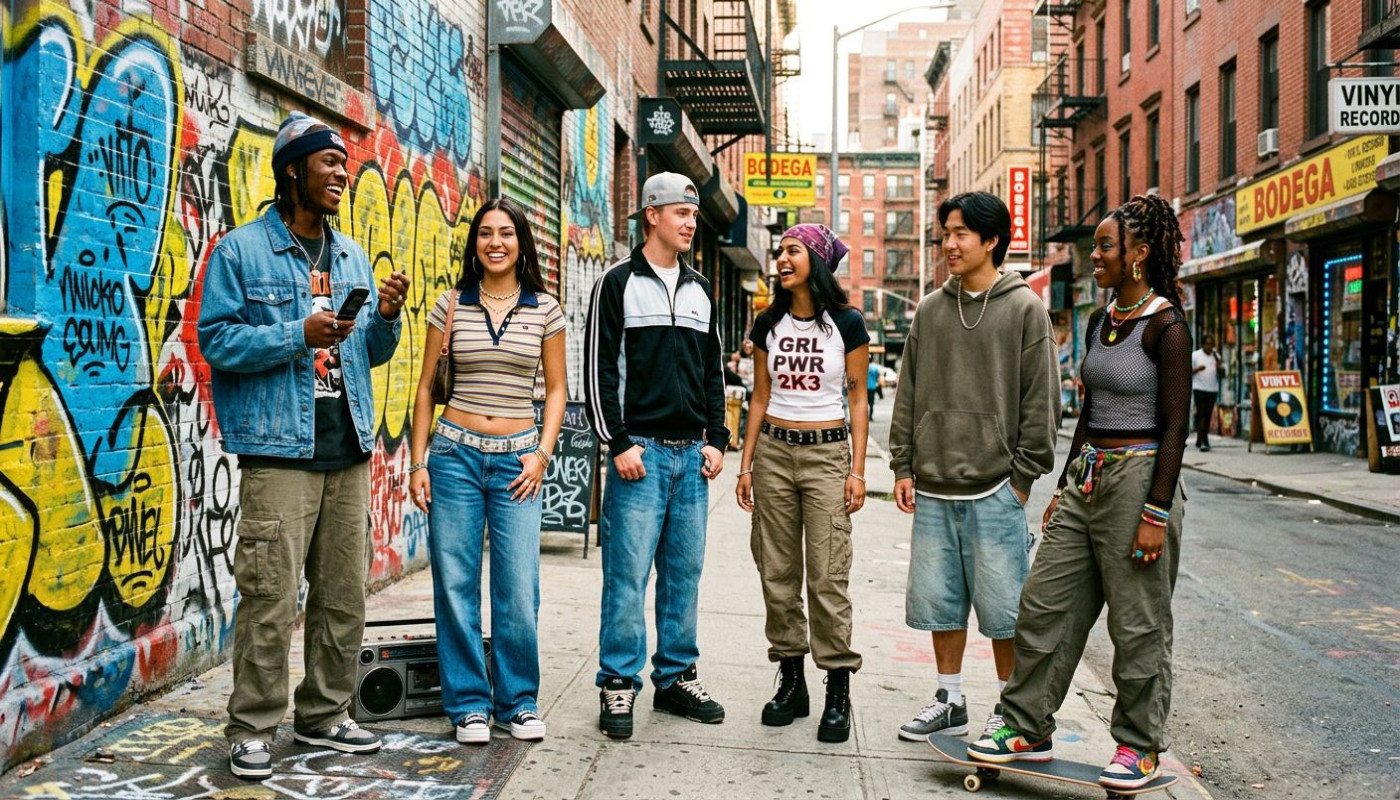
The evolution of fashion has always mirrored societal changes, and nowhere is this more evident than in the dynamic world of modern urban wear. A new movement is challenging traditional notions of identity and expression: genderless fashion. Journey through the influences, motivations, and impacts of this cultural shift, and gain insight into how it is redefining city style today.
Defining genderless style
Genderless fashion represents a visionary shift within urban wear, transcending the conventional dichotomy of male and female attire in favor of clothing that is truly independent of gender constraints. This approach draws heavily on the philosophy of androgyny, aiming to erase the boundaries that have traditionally dictated what constitutes masculine or feminine dress. In the sphere of streetwear trends, this manifests as silhouettes, fabrics, and designs that invite everyone—regardless of gender identity—to express themselves authentically. Unlike earlier unisex clothing, which often amounted to merely repurposing menswear for all, contemporary genderless fashion in urban environments seeks to dismantle the underlying assumptions about body shapes, preferences, and social roles. Non-binary style, as part of this evolution, actively resists categorization, offering a dynamic alternative to the rigid codes of previous decades.
Urban wear, with its roots in creative subcultures, has become a prominent stage for the growth of genderless fashion. Influential voices in fashion theory and cultural studies highlight how this movement differs from past trends by emphasizing inclusivity and self-determination. The rejection of binary labels is not just about aesthetics; it is a form of social commentary that questions the very foundation of fashion’s relationship with identity. This diversification in streetwear trends enables designers and wearers to collaborate in shaping a more open, individualized sense of style. As the urban landscape evolves, unisex clothing and non-binary style continue to redefine what it means to participate in fashion, pushing the boundaries of personal and cultural expression.
Influences shaping the movement
The evolution of the fashion movement toward gender inclusivity in urban fashion draws from a complex web of sociocultural forces and historical milestones. The concept of intersectionality, first articulated by Kimberlé Crenshaw, frames how overlapping identities—such as gender, race, and sexuality—have shaped the demand for clothing that transcends binary norms. Throughout the 20th century, pivotal events like the Stonewall riots and the feminist movements of the 1960s and 1970s paved the way for questioning traditional gender roles, both in society and in the way people dress. With cities acting as epicenters for diverse populations and creative exchange, urban environments provide fertile ground for challenging conventional attire, enabling progressive style to emerge visibly on the streets.
Activism by LGBTQ+ communities and influential voices in fashion history have advanced the cultural shift toward unisex clothing, while contemporary media coverage amplifies these messages to a global audience. Social media platforms encourage individuals to share personal expressions, rapidly normalizing genderless fashion as a component of modern urban wear. This globalization of trends, fueled by instant connectivity, fosters acceptance and integration of gender inclusivity across cultures. As a result, the fashion movement continues to break down barriers, redefining what constitutes style and identity for city dwellers around the world.
Design principles and aesthetics
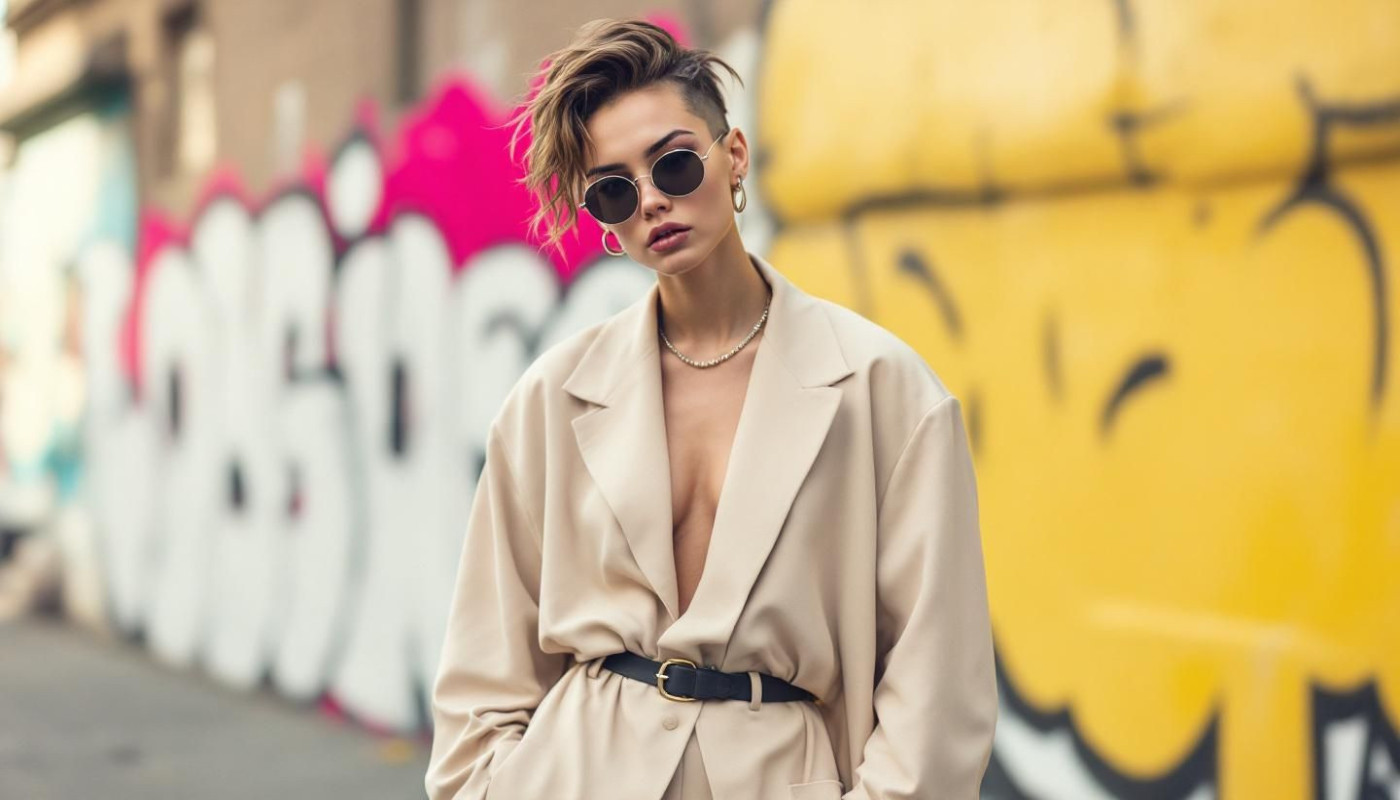
Genderless urban wear emerges from a foundation of inclusive design that carefully balances function, style, and adaptability. Silhouettes tend to be relaxed, often oversized or straight-cut, moving away from traditional tailoring that emphasizes body shape. This provides not only versatility but also a sense of comfort and freedom, allowing wearers of all identities to feel represented. Minimalist fashion principles inform the use of clean lines and understated embellishments, while neutral tones such as black, grey, beige, and white dominate the urban aesthetics. These shades blend seamlessly across different wardrobes, making pieces easier to mix and match.
Fabrics in genderless urban wear focus on quality and utility, favoring materials like organic cotton, technical synthetics, and soft knits that ensure breathability and durability. Designers incorporate modularity into their collections, offering versatile clothing that can be layered or reconfigured for various looks without gendered distinctions. This modular approach allows for garments to be adapted to different climates and social situations, further enhancing inclusivity. Attention to details such as adjustable waists, unisex sizing, and multi-functional pockets demonstrates a commitment to practicality without sacrificing urban aesthetics.
At the forefront of fashion innovation, industry leaders craft pieces that embody minimalist fashion while breaking down gender barriers. The integration of modularity and neutral tones supports a dynamic, evolving urban lifestyle. For those interested in exploring this style, collections from Japanese brands excel in offering high-quality, genderless designs that reflect these contemporary trends—why not try these out for exemplary options in inclusive design and versatile clothing.
Impact on consumer behavior
Genderless fashion is rapidly altering consumer trends, especially among urban shoppers who prioritize both self-expression and functionality in their wardrobes. By embracing versatile clothing that transcends traditional gender boundaries, individuals are empowered to select pieces reflecting their unique identities, rather than conforming to outdated norms. Mass customization has become a central strategy in fashion retail, enabling brands to offer personalized options that cater to diverse preferences and body types. This shift not only streamlines the shopping process by reducing gendered barriers but also enhances customer satisfaction, as consumers increasingly demand attire suited to various occasions and moods. Retailers, recognizing the value of identity expression, are transforming store layouts, marketing approaches, and inventory selection to better align with the expectations of a more inclusive and fashion-forward urban demographic.
The future of urban wear
Trend forecasting suggests that future fashion will be deeply influenced by the ongoing evolution of gender-neutral clothing, fundamentally changing the landscape of urban trends. As genderless fashion continues to permeate city style, mainstream fashion is expected to adopt more inclusive silhouettes and functional designs that defy traditional gender boundaries. This shift not only propels broader social acceptance but also encourages a more diverse and expressive approach to personal style. Fashion innovation will remain at the heart of this movement, with designers experimenting with advanced materials, modular garments, and adaptable sizing to cater to a wider spectrum of identities. The next generation of urban wear is likely to reflect a seamless blend of utility and aesthetics, redefining city style as a platform for self-expression that transcends gender norms. This ongoing transformation is set to foster a cultural and sartorial environment where authenticity and freedom of expression become the core values of urban life.
Similar